
newsen
Tokyo Game Show 2026: Hands-On with FAREIDOLIA, Nexon's Unreal Engine 5 Anime RPG
Hands-on impressions from TGS 2026 reveal FAREIDOLIA's comedic story, voice-controlled interactions, and tactical Live Turn Battle system.
At Tokyo Game Show 2026, NEXON Games and its IO Division (the creators of Blue Archive) debuted the first playable public build for their upcoming anime RPG, FAREIDOLIA (Project RX / ファレイドリア). Reported on-site by Bahamut GNN via 4Gamer.net, the hands-on preview showcased the game's comedic narrative tone, dorm life management, and unique hybrid turn-based combat.
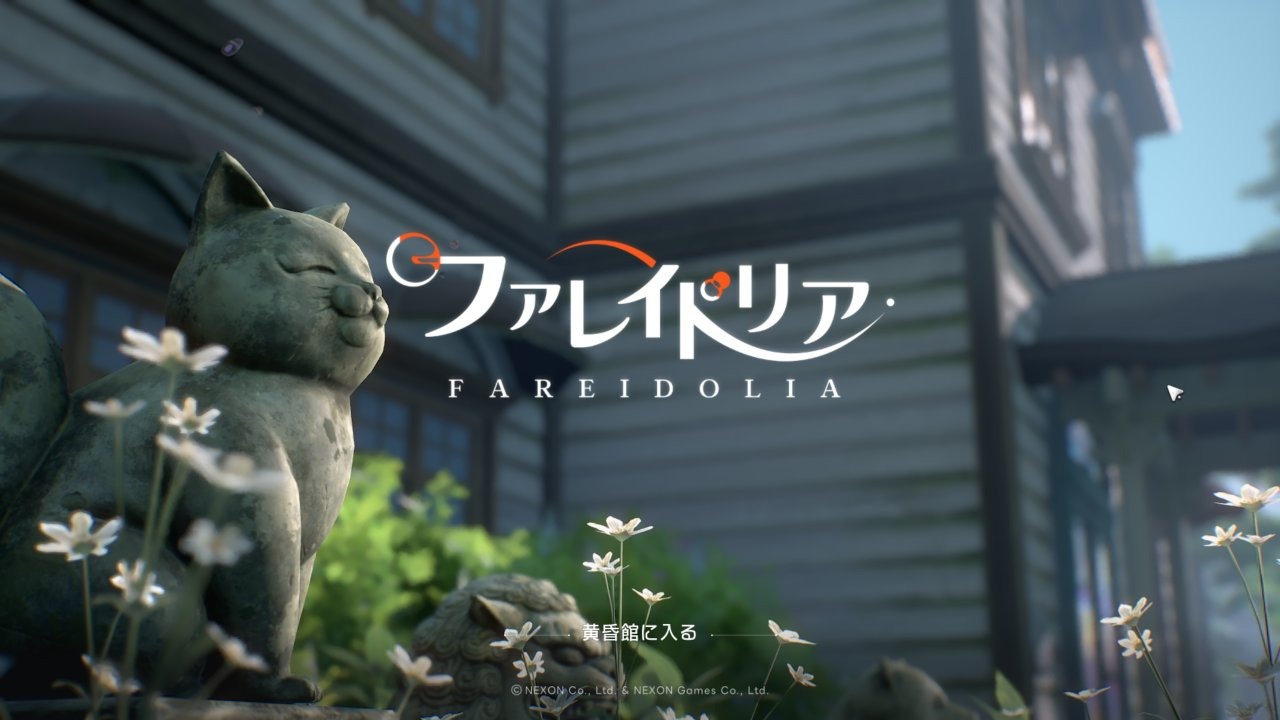
Playable build showcased at Tokyo Game Show 2026.
Setting the Scene: Welcome to Tasogare Hall
Set in Anima City, a world mirroring contemporary Earth, players assume the role of the newly appointed Director (主任 / センター長) at the city's Reconstruction Center. Stationed at Tasogare Hall (黃昏館)—a combined administrative office and government dormitory—the Director lives alongside girls endowed with supernatural abilities known as Mates (メイツ).
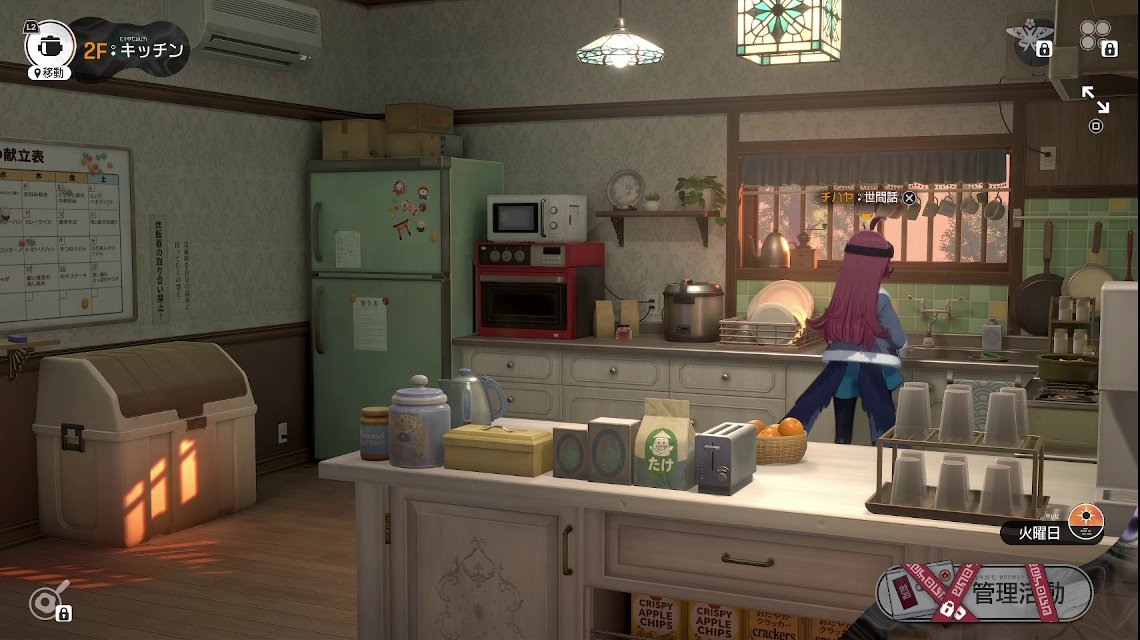
Tasogare Hall serves as the central hub where the Director and Mates reside.
Similar to the dynamic in Blue Archive, the Director oversees everyday life—shopping, gardening, and cooking—while leading Mates into battle to resolve anomalous urban emergencies before returning home.
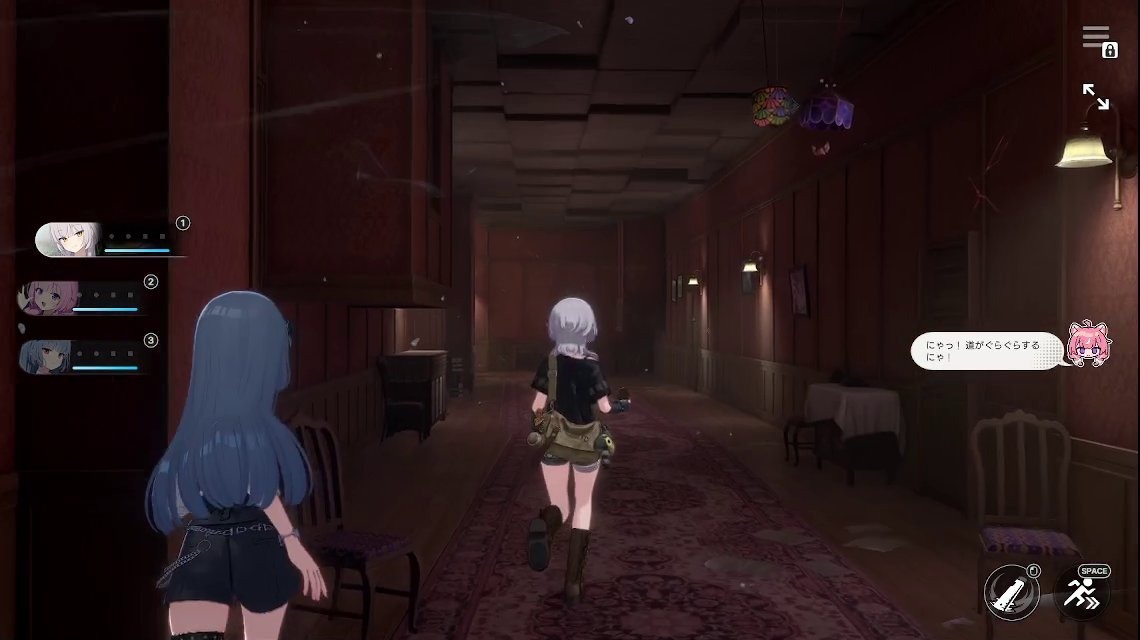
Daily interactions and anomaly dispatch briefings occur inside the dormitory.
Unreal Engine 5 Cel-Shaded Presentation
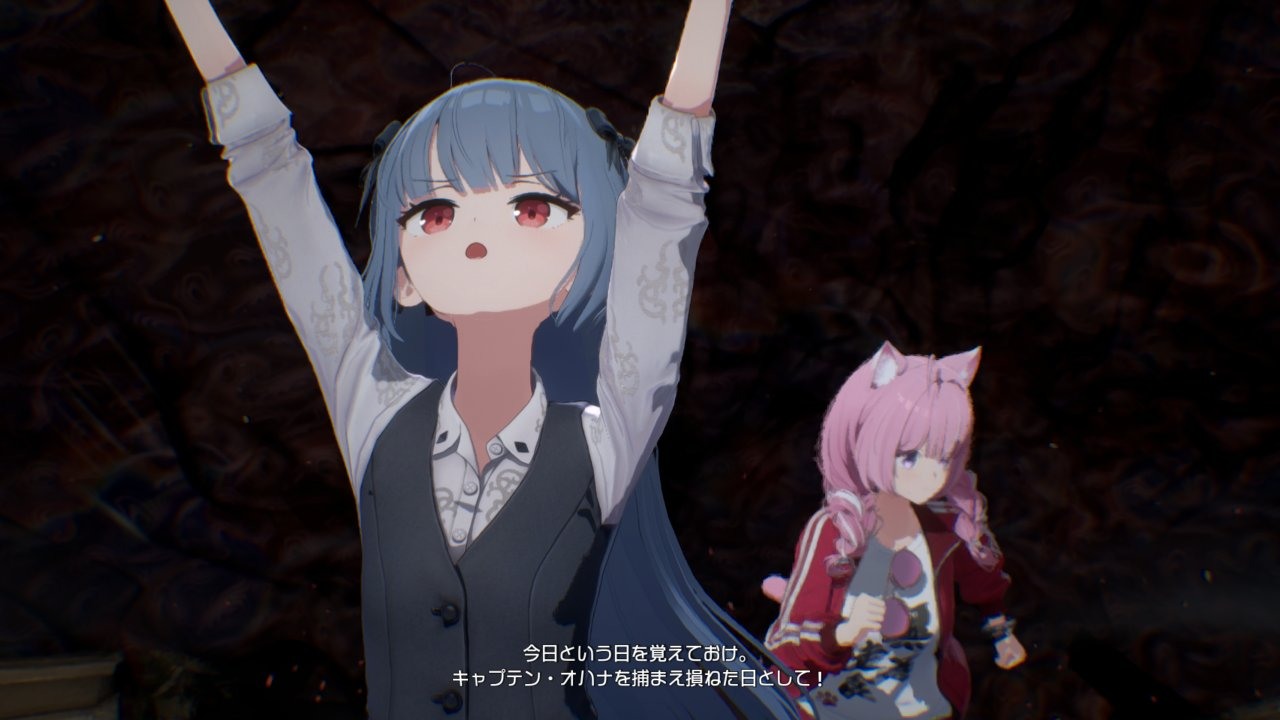
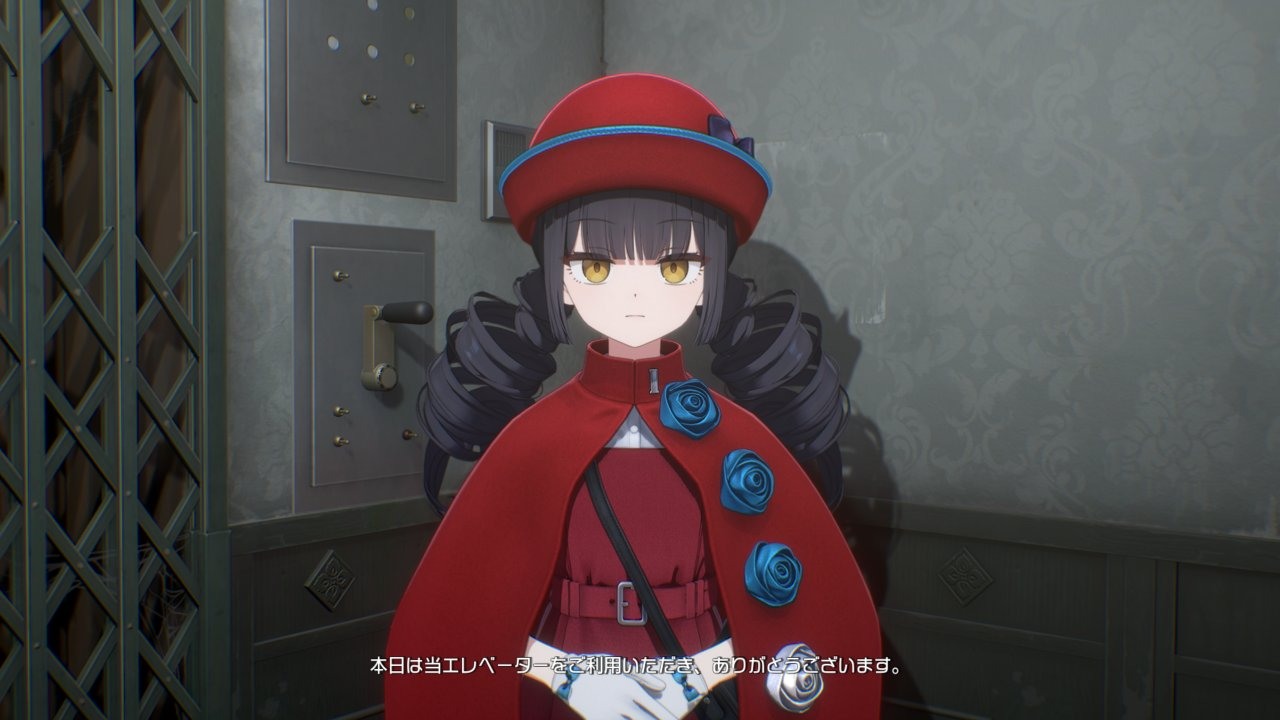
Developed with Unreal Engine 5, FAREIDOLIA converts 2D anime illustrations into high-fidelity 3D character models. Stylized cell shading, simplified facial shadows, and clean line work ensure characters maintain their expressive appeal from any perspective during cinematic visual novel cutscenes.
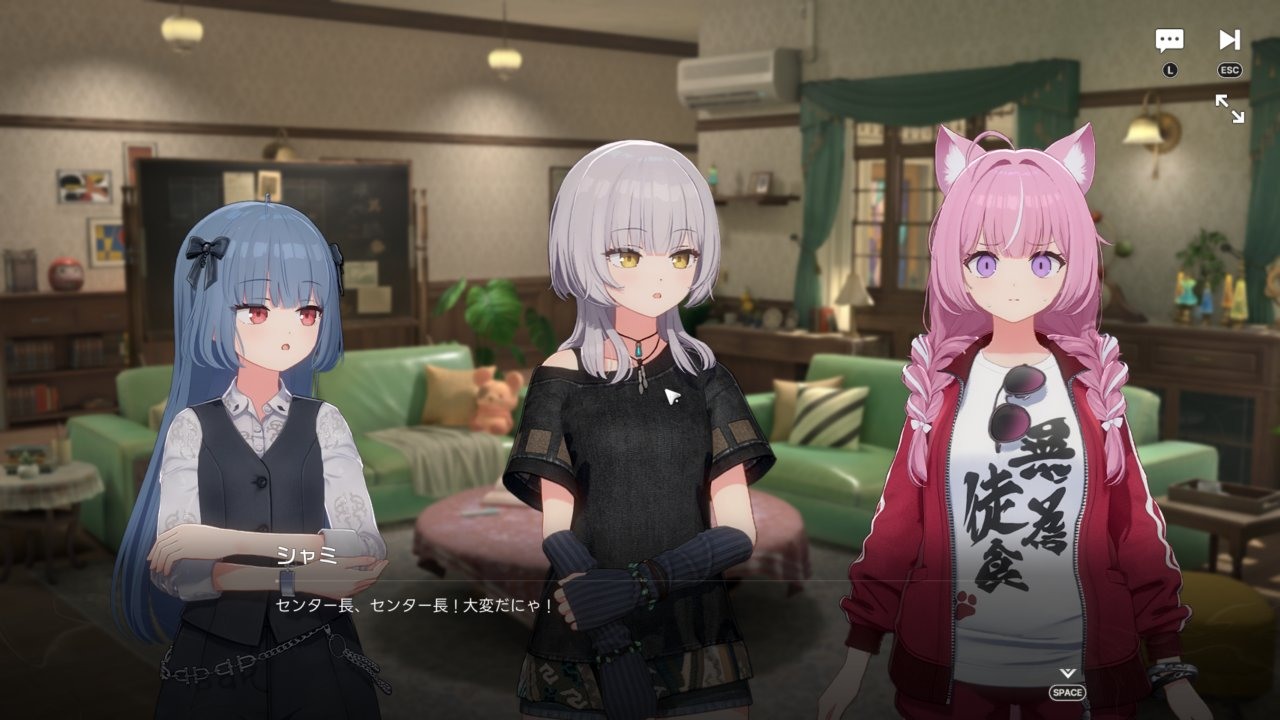
In-game cinematic dialogue rendered using Unreal Engine 5 cel-shading.
Comedic Narrative & Voice Recognition Input
The demo storyline kicks off with slapstick comedy: an express package sealing a cursed "Shadow Snake" is carelessly hurled onto Tasogare Hall's second-floor balcony, rupturing the seal and spreading havoc throughout the dormitory.
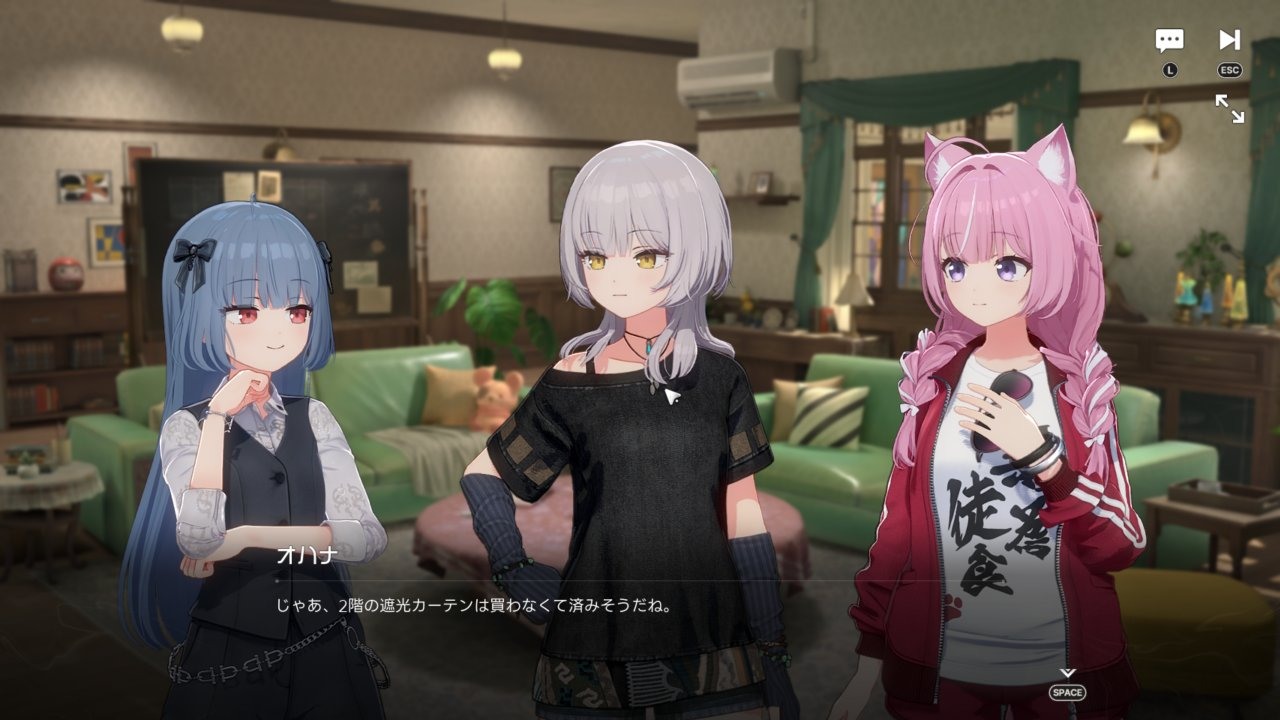
The comedic aftermath following the unboxing mishap at Tasogare Hall.
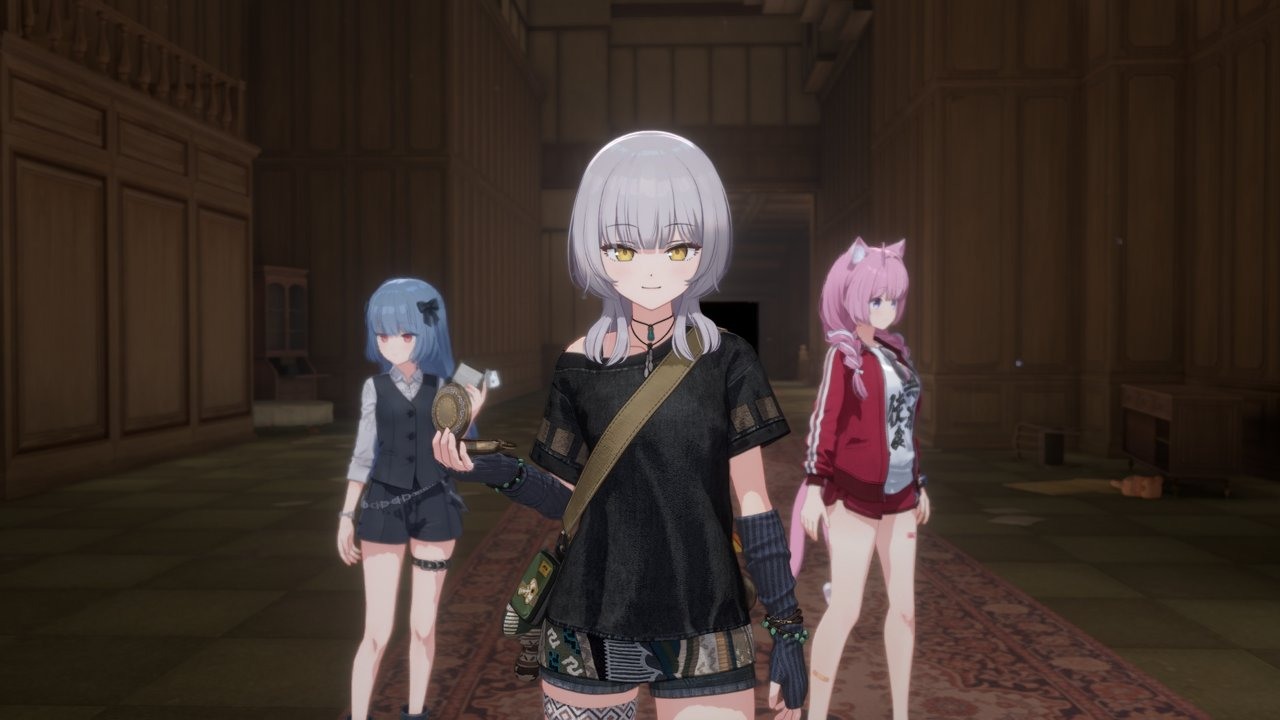
The story highlights three core Mates:
- Minieh: An adventurous, easygoing wanderer.
- Ohana: A deadpan girl with sharp comedic delivery.
- Shami: An unlucky girl whose shirt humorously reads Muwei Tushi (living idly without work).
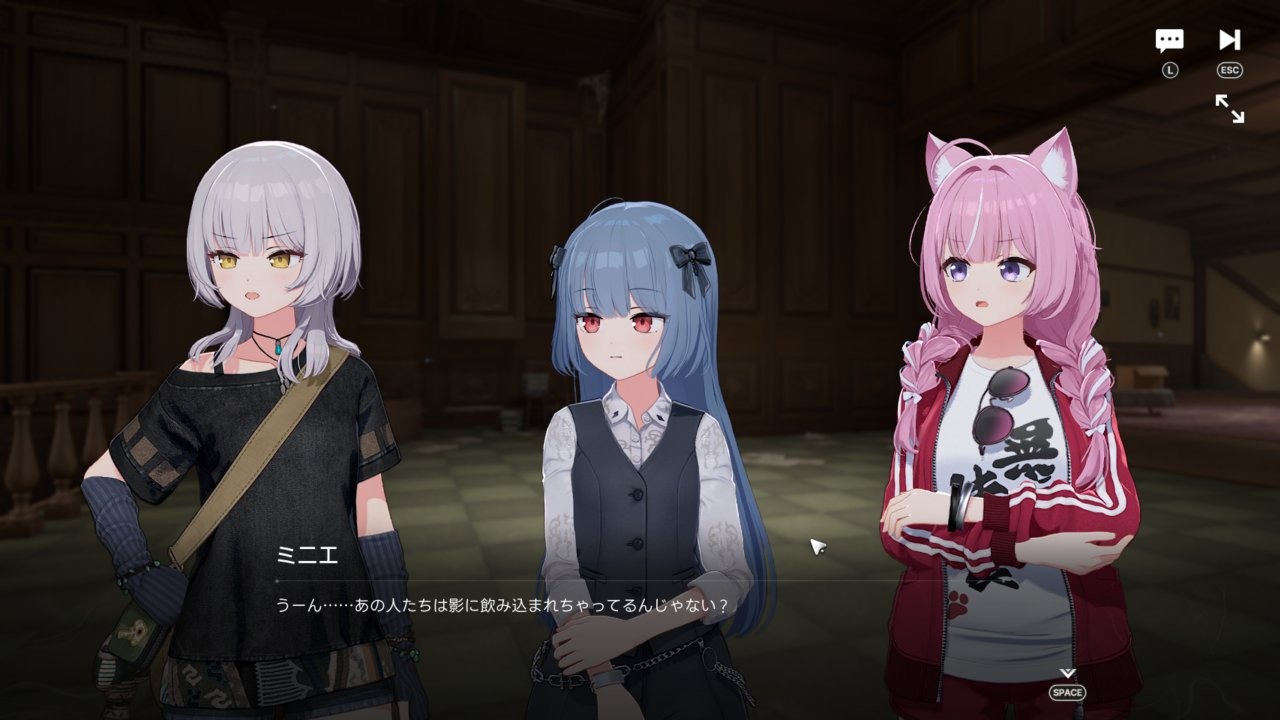
Minieh, Ohana, and Shami take center stage in the demo's narrative.
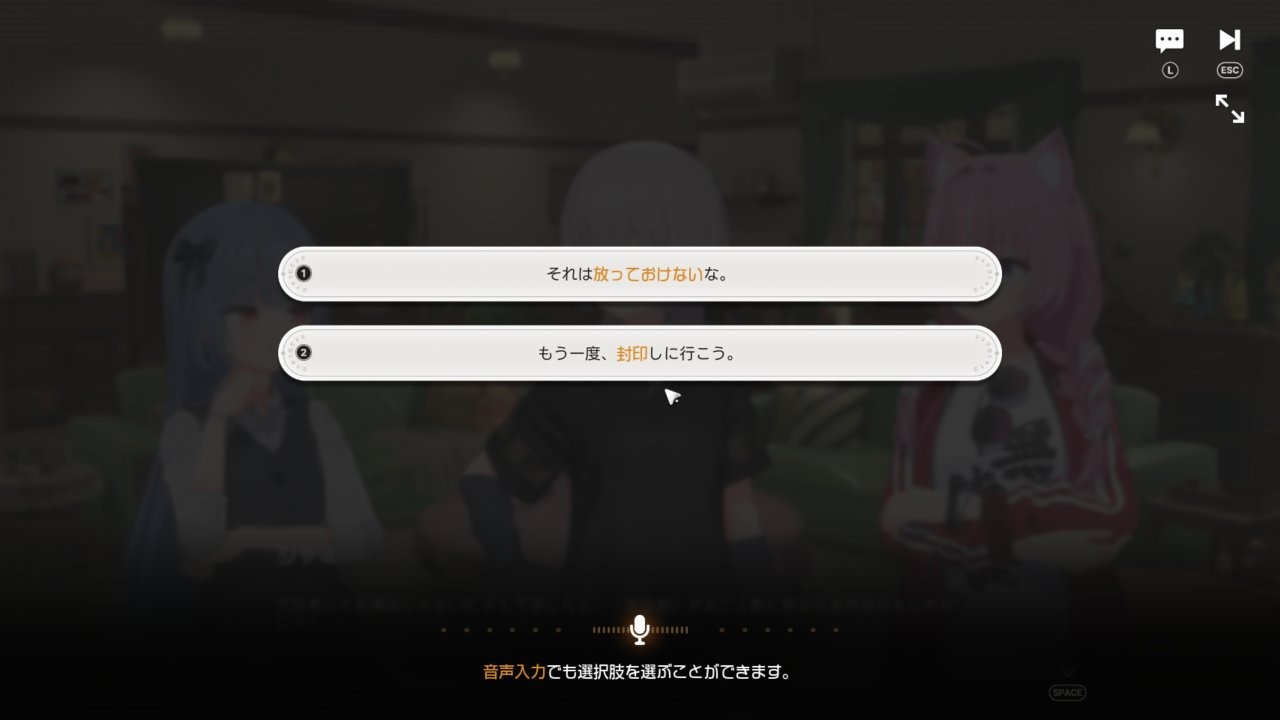
A standout feature is the optional voice recognition dialogue system. While standard touch/button controls are supported, players can verbally read highlighted dialogue choices. The game accurately picks up spoken keywords, even accommodating regional accents and slight phrasing variations.
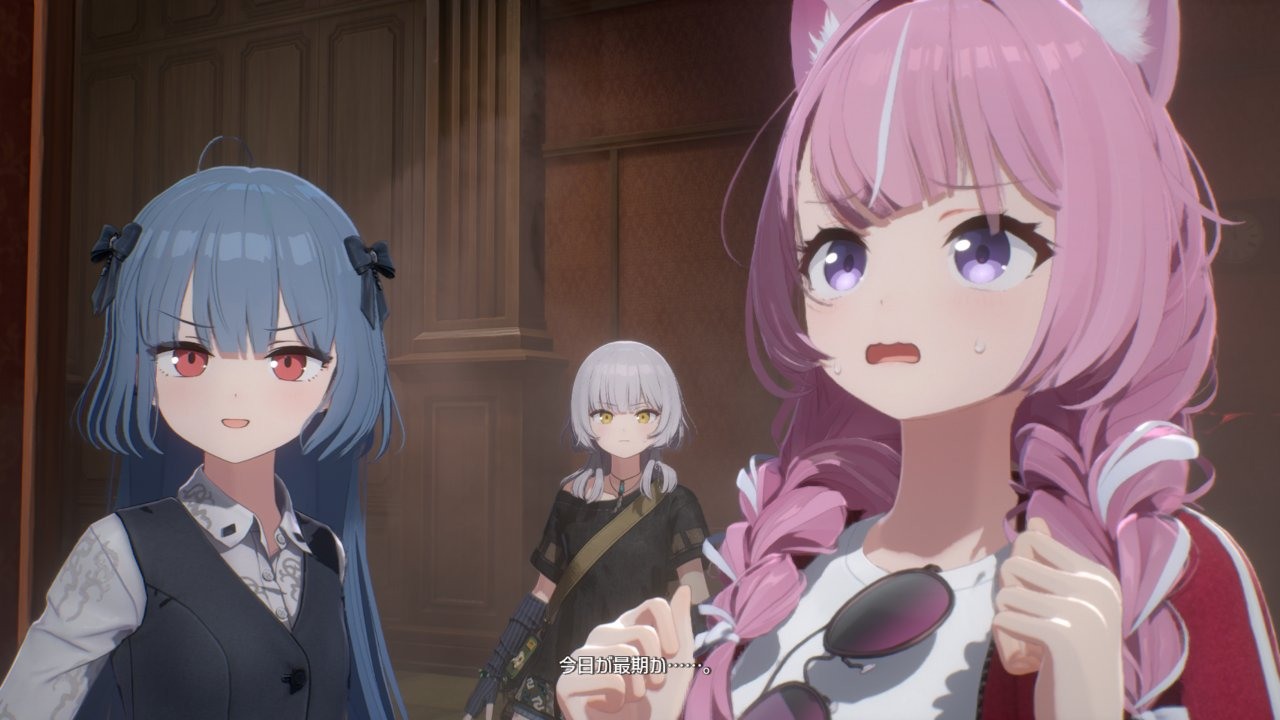
Players can verbally speak highlighted prompt options to progress conversations.
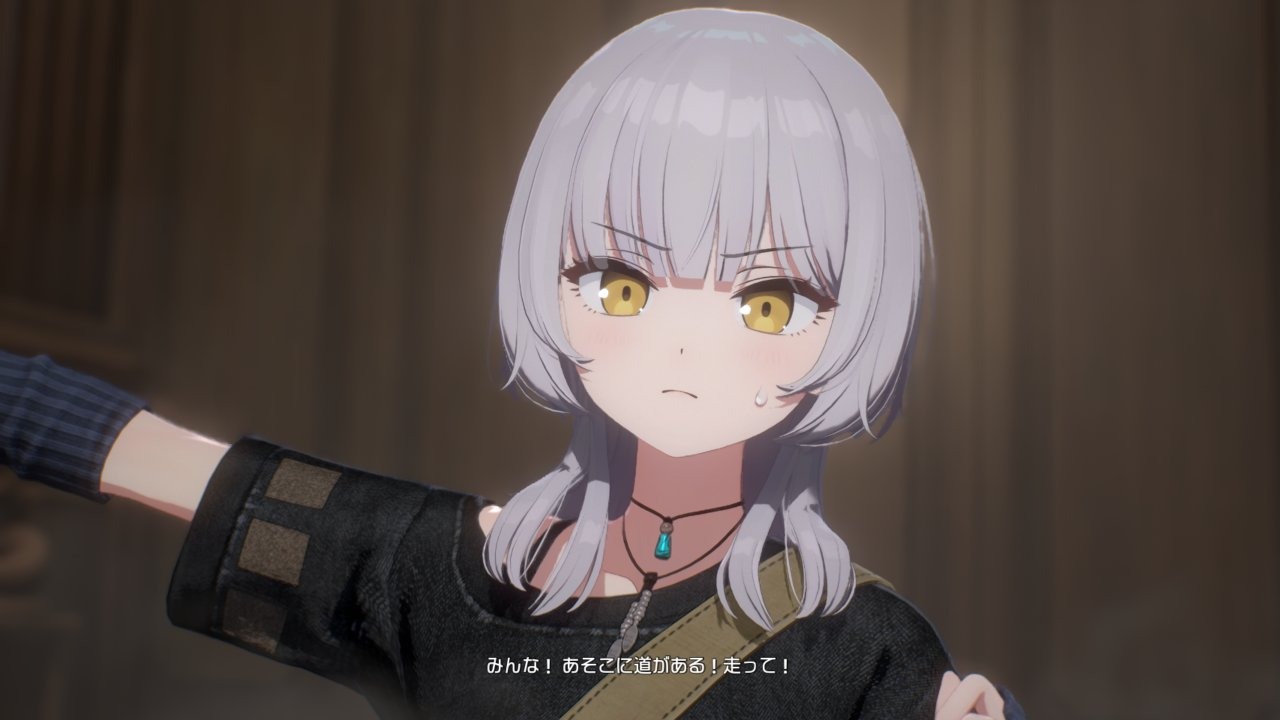
Voice input seamlessly triggers unique character reactions.
Dungeon Exploration & Corrupted Environments
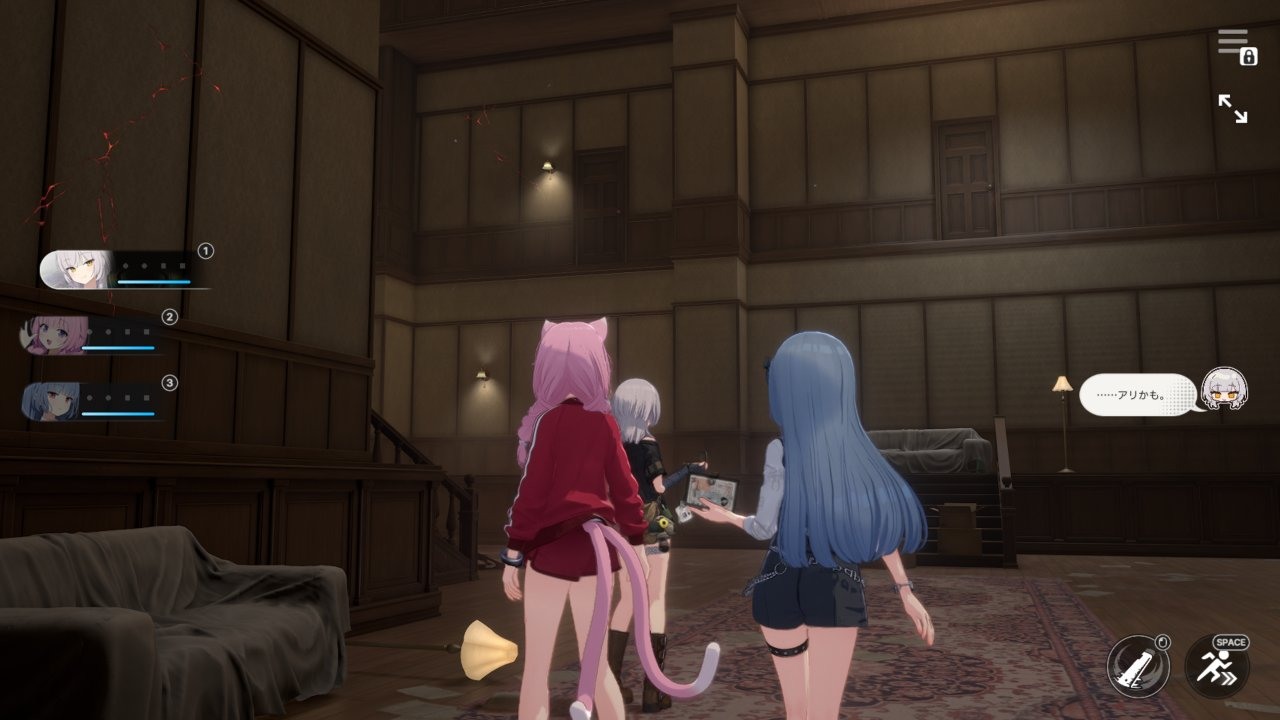
Upon entering the "Corrupted Dungeon," players control a squad leader in third-person exploration. Leaders can be switched at any time, moving through shifting corridors where environment geometry warps according to local corruption intensity.
Navigating dynamic, shifting corridors within the Corrupted Dungeon.
Party members banter via dynamic side text during dungeon runs.
Third-person navigation through anomaly hazard zones.
The "Live Turn Battle" (LTB) Combat System
Encounters transition into a Live Turn Battle framework upon contact with enemies:
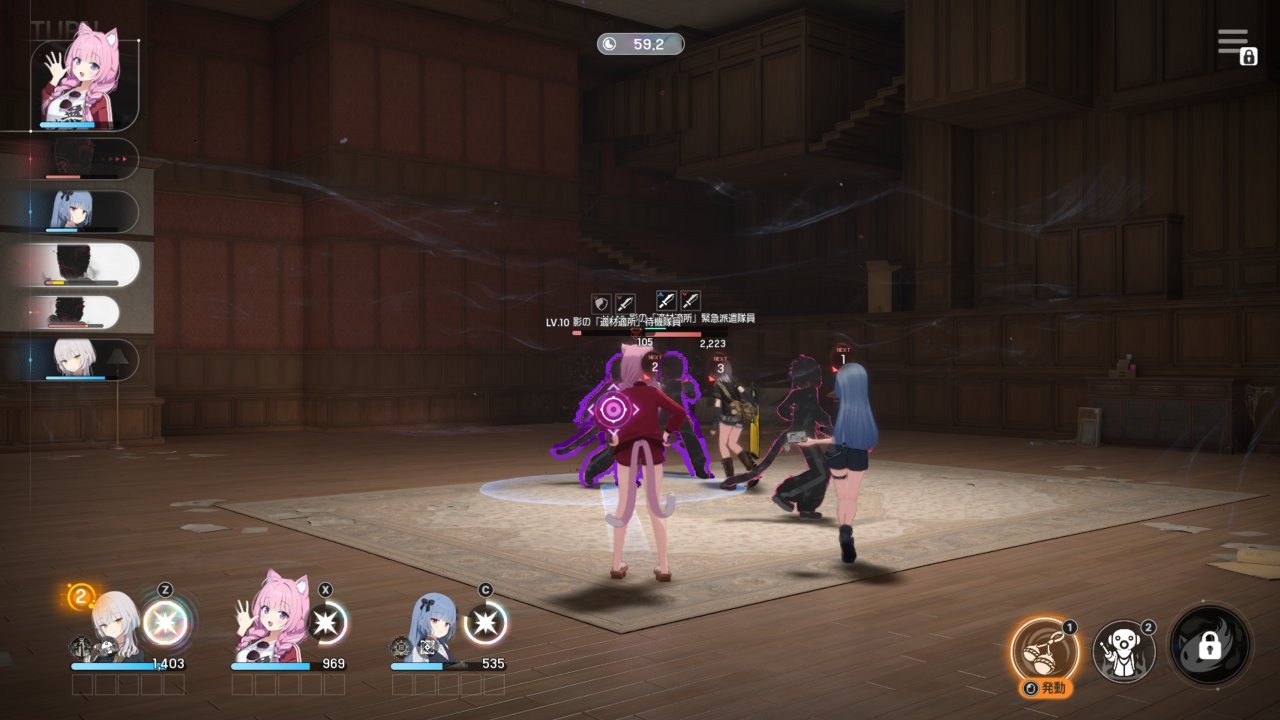
- Turn Order & Time Limits: A queue in the upper left dictates unit order, with a turn countdown timer enforcing active tactical decision-making.
- Skill Rotation: Each Mate possesses two standard skills (no cooldowns) and one ultimate skill that requires several turns between uses.
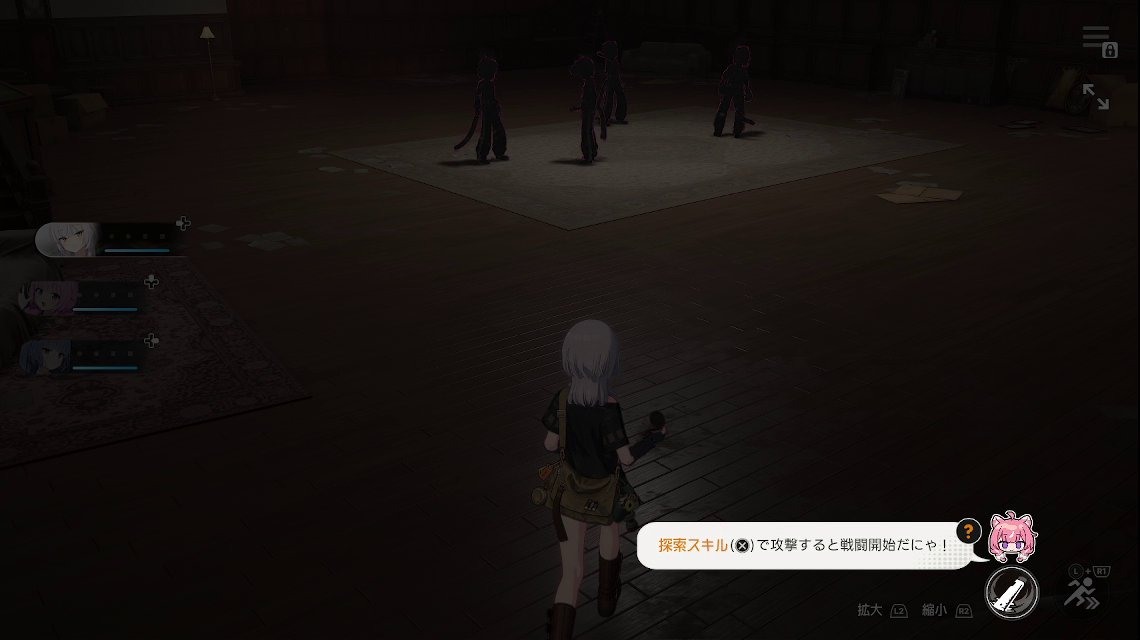
Turn sequence display and area-of-effect targeting reticles during combat.
Dynamic tactical maneuvering against anomalous hostile forces.
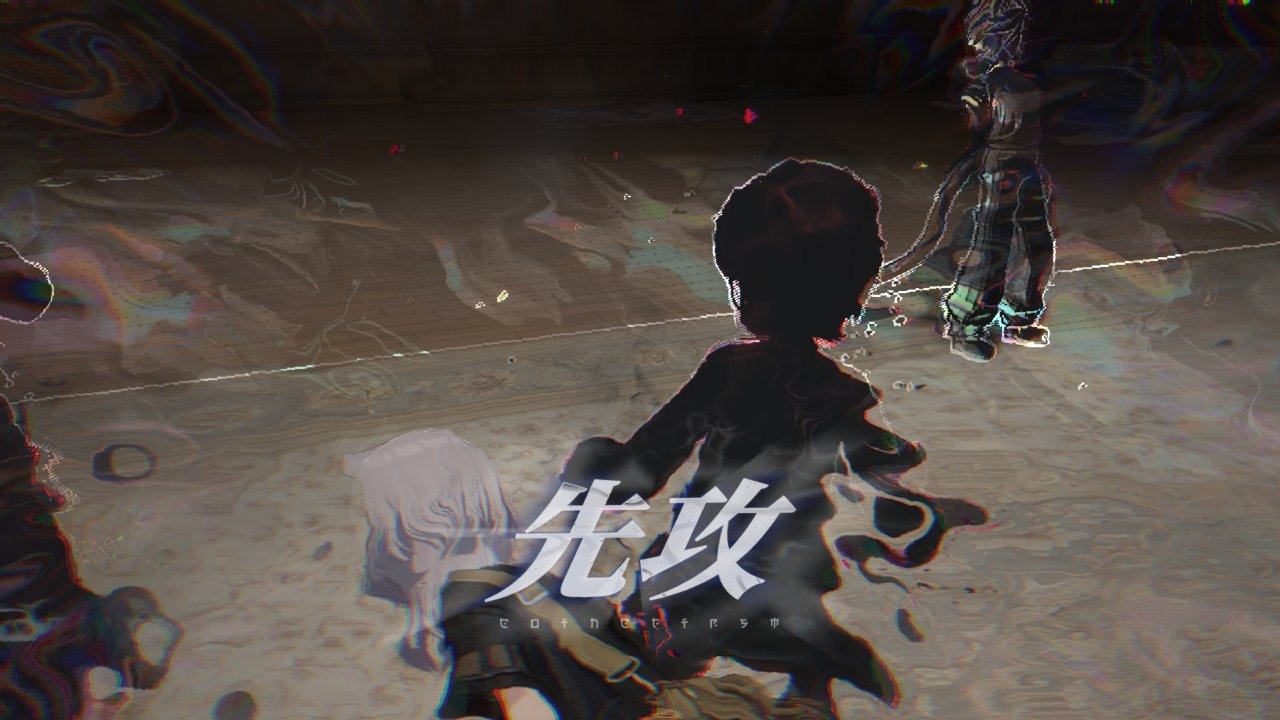
- Boost Gauge Interventions: Players can consume accumulated Boost Gauges to accelerate a Mate's action order immediately.
Expending the Boost Gauge to interrupt action order for immediate commands.
- Spatial Positioning: Skills rely on area-of-effect templates. Because enemies and inactive allies shift continuously in real time, lining up multi-target attacks requires calculating spacing under turn time limits.
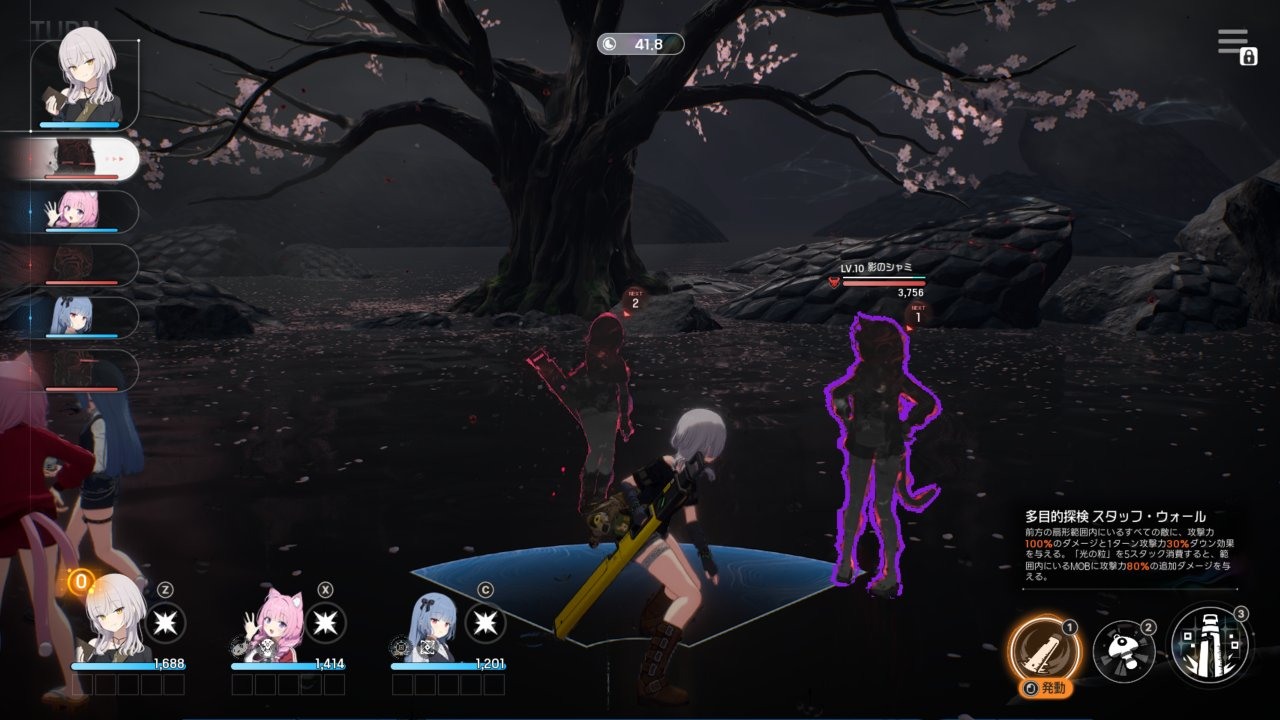
Lining up skill cones to strike moving clusters of hostiles.
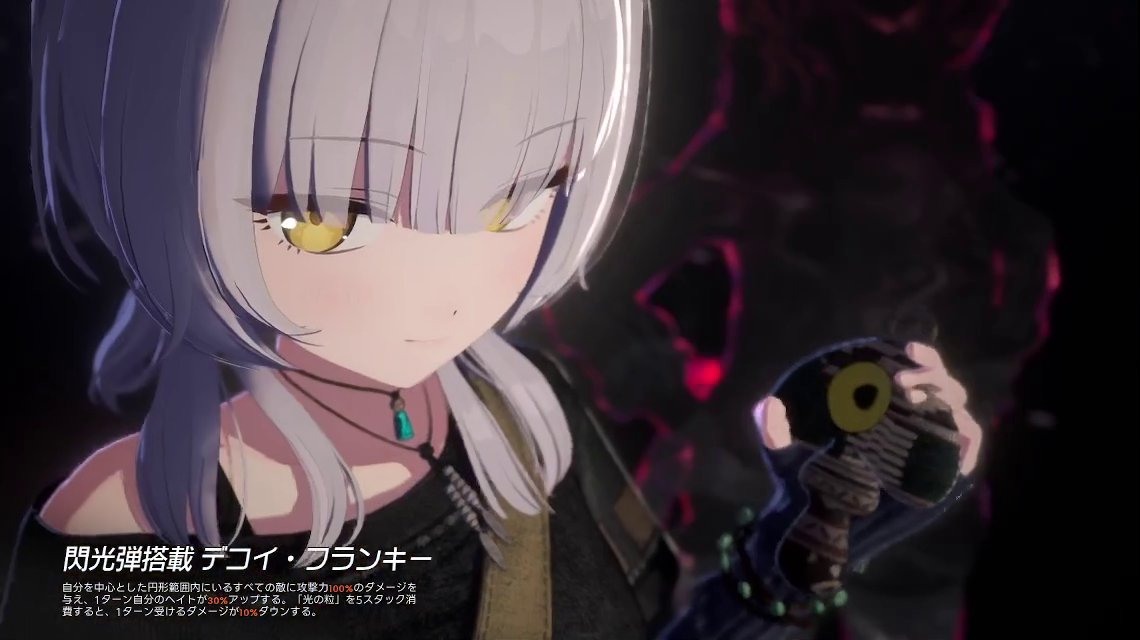
Post-battle victory screen showcasing animated character models.
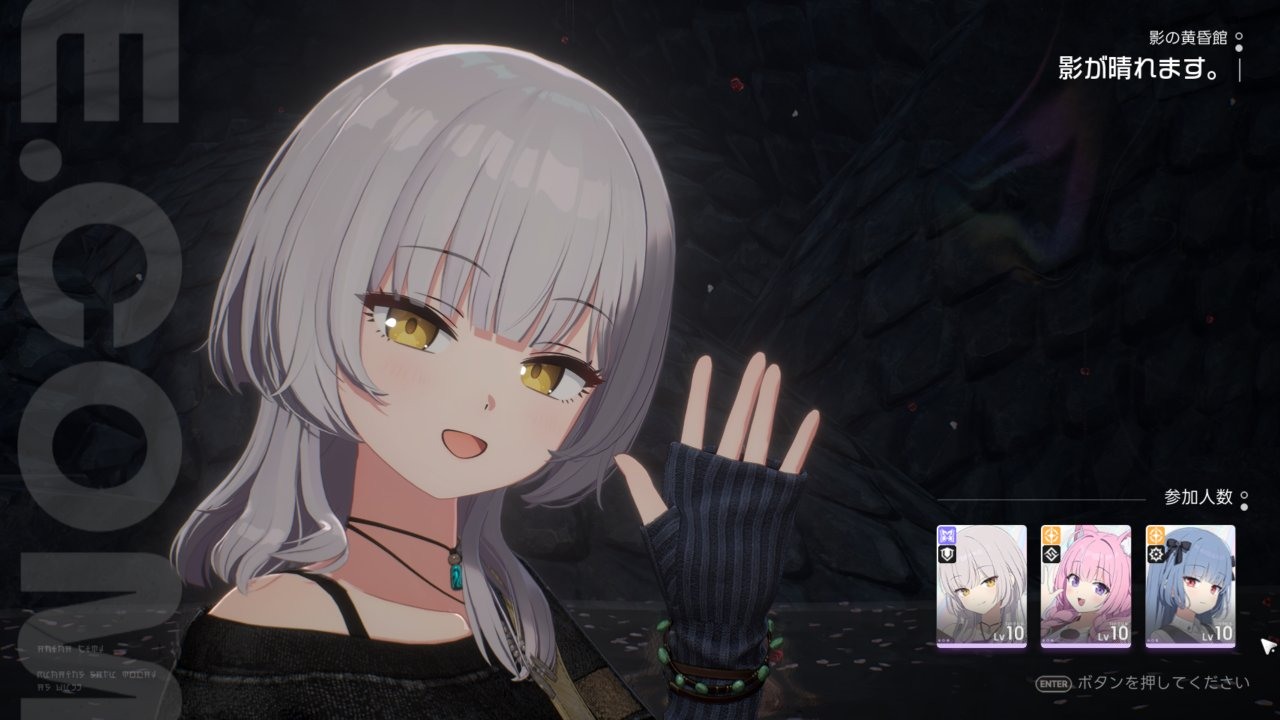
Victory fanfare highlighting Mate squad victory poses.
Life in Tasogare Hall
Back at Tasogare Hall, fixed surveillance-style camera angles provide candid views into the Mates' private schedules across two floors:
- 1st Floor: Entrance, main lobby, administrative offices, courtyard, hot spring entrance, and storage rooms.
- 2nd Floor: Audiovisual screening lounge, dining hall, and kitchen.
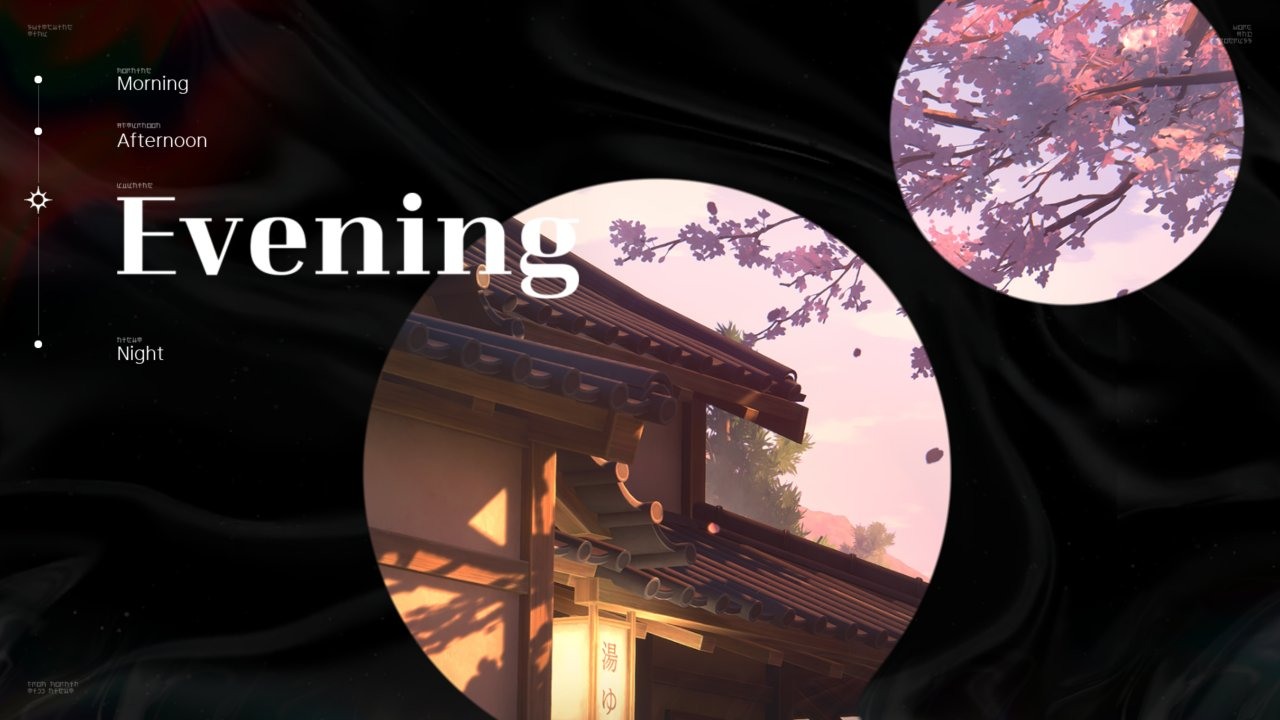
Fixed-angle perspectives provide candid observations of dorm life.
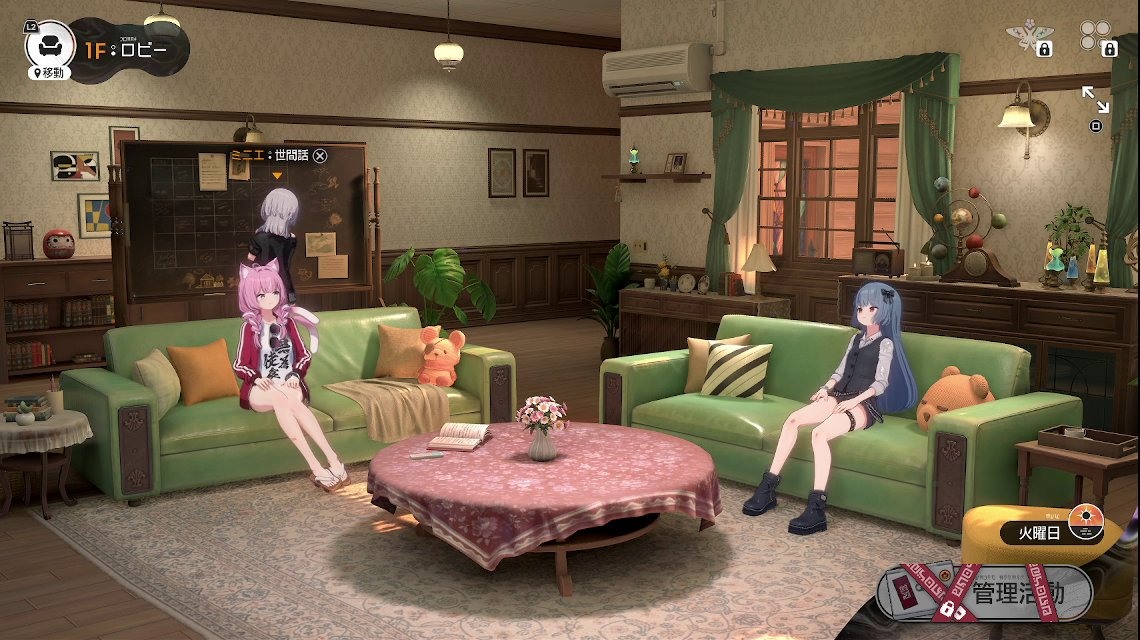
Accessing interior living quarters via the dormitory hub.
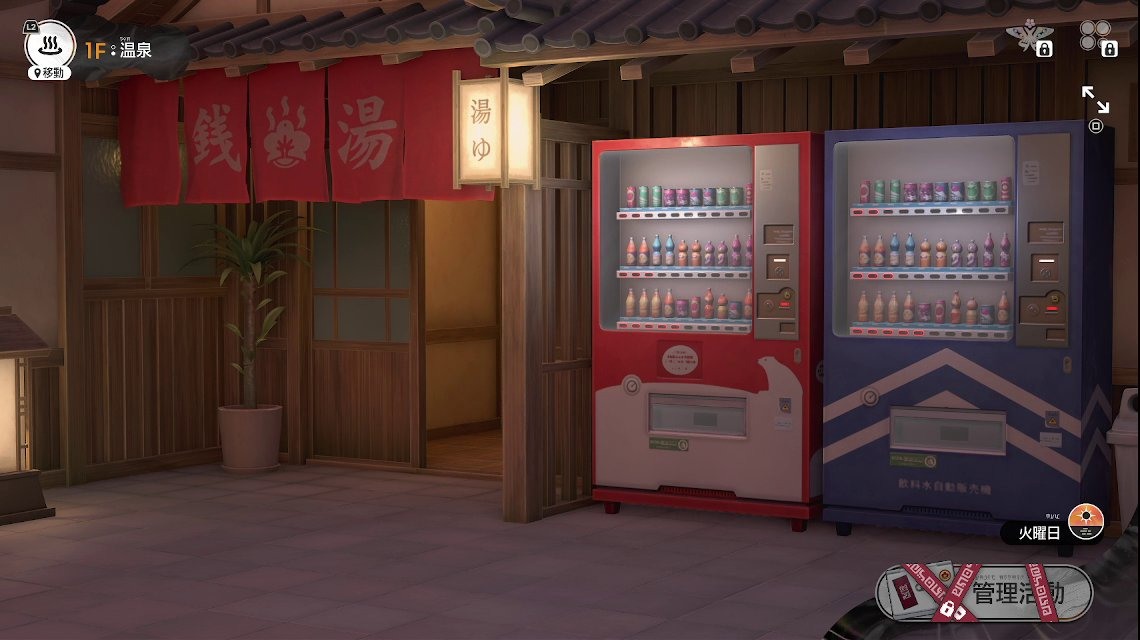
Exploring multi-story facilities including communal cafeterias.
Players can verbally call out a Mate's name to attract her attention, opening dialogue and daily-capped interaction commands such as Wave (揮手) to boost affinity, with additional options like gifts and outings planned for future builds.
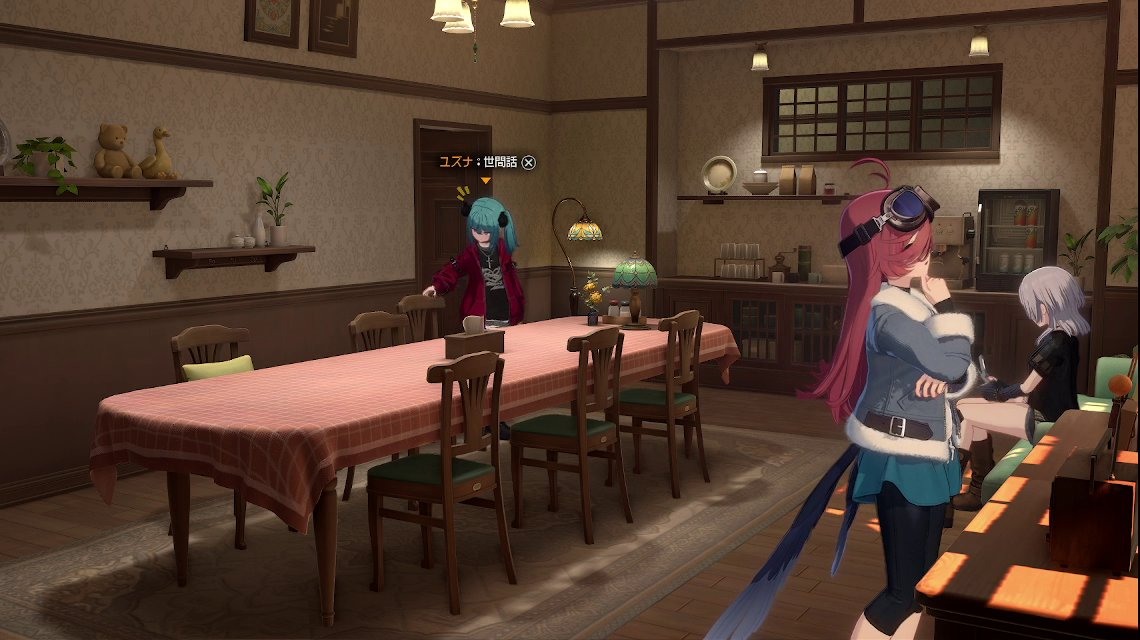
Calling out a Mate's name prompts her to walk over and chat.
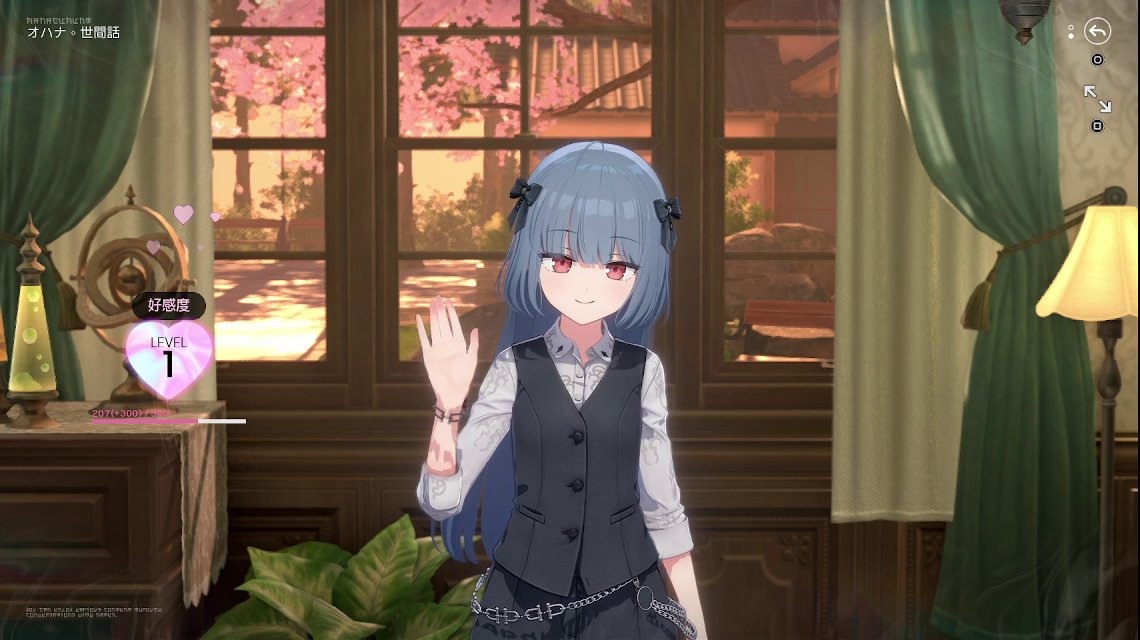
Selecting interaction commands to build interpersonal affinity.
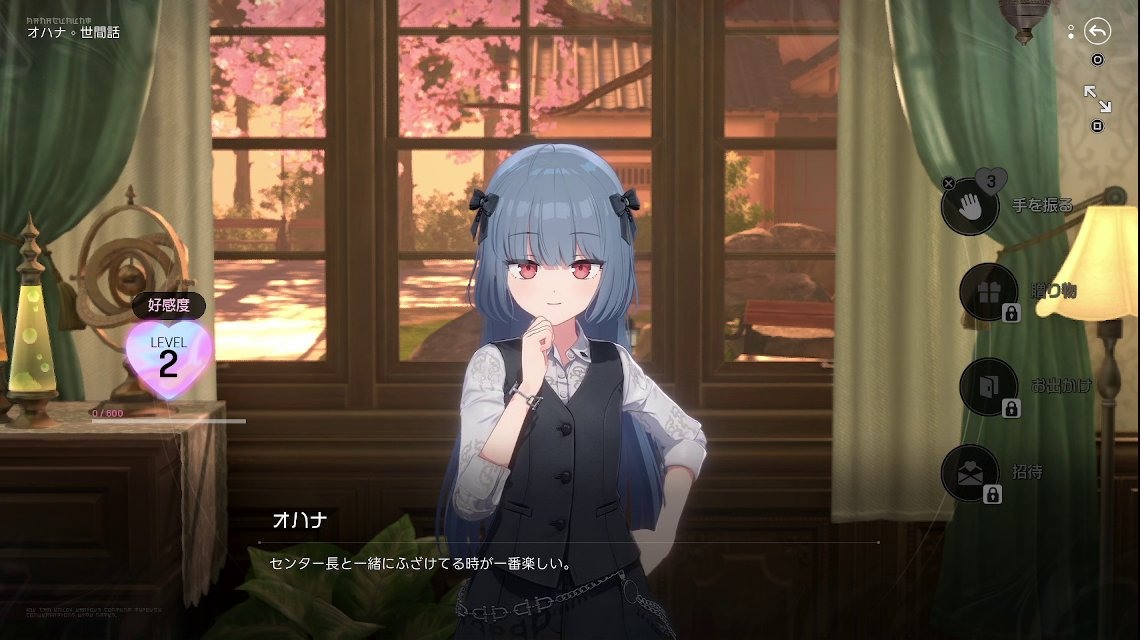
Daily waved greetings raise connection levels with residents.
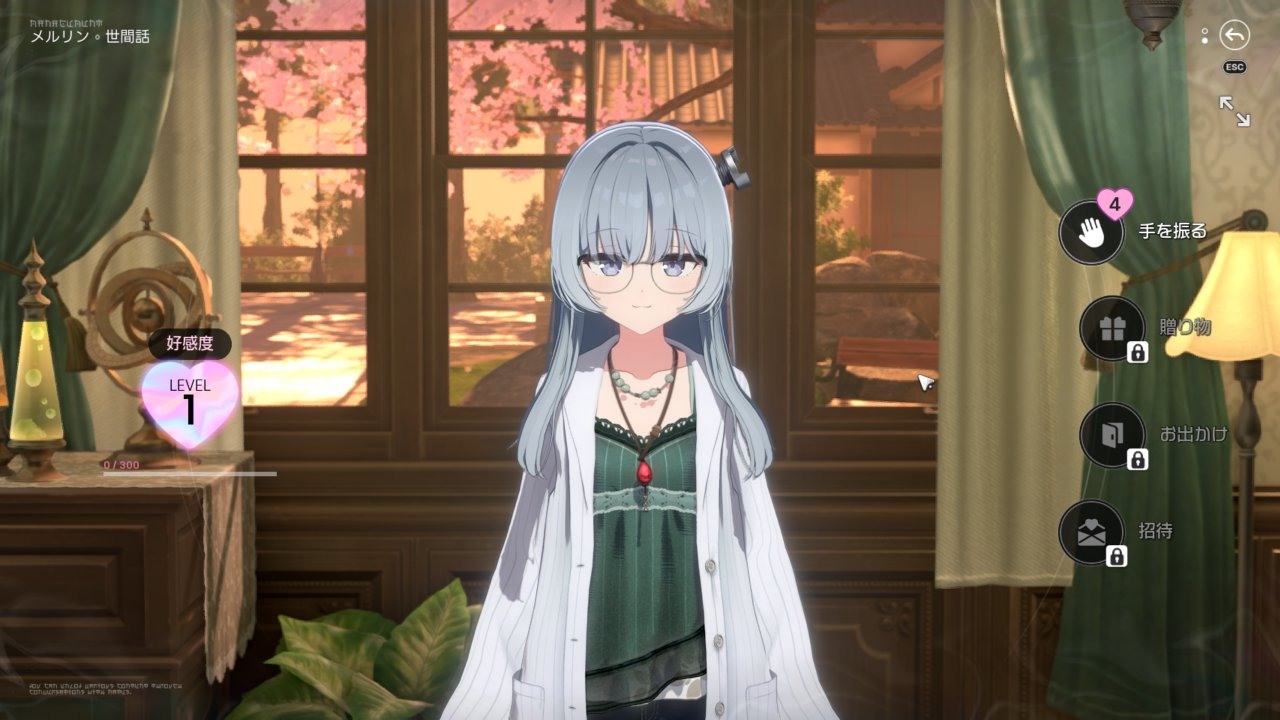
Dynamic facial animation during routine dorm banter.
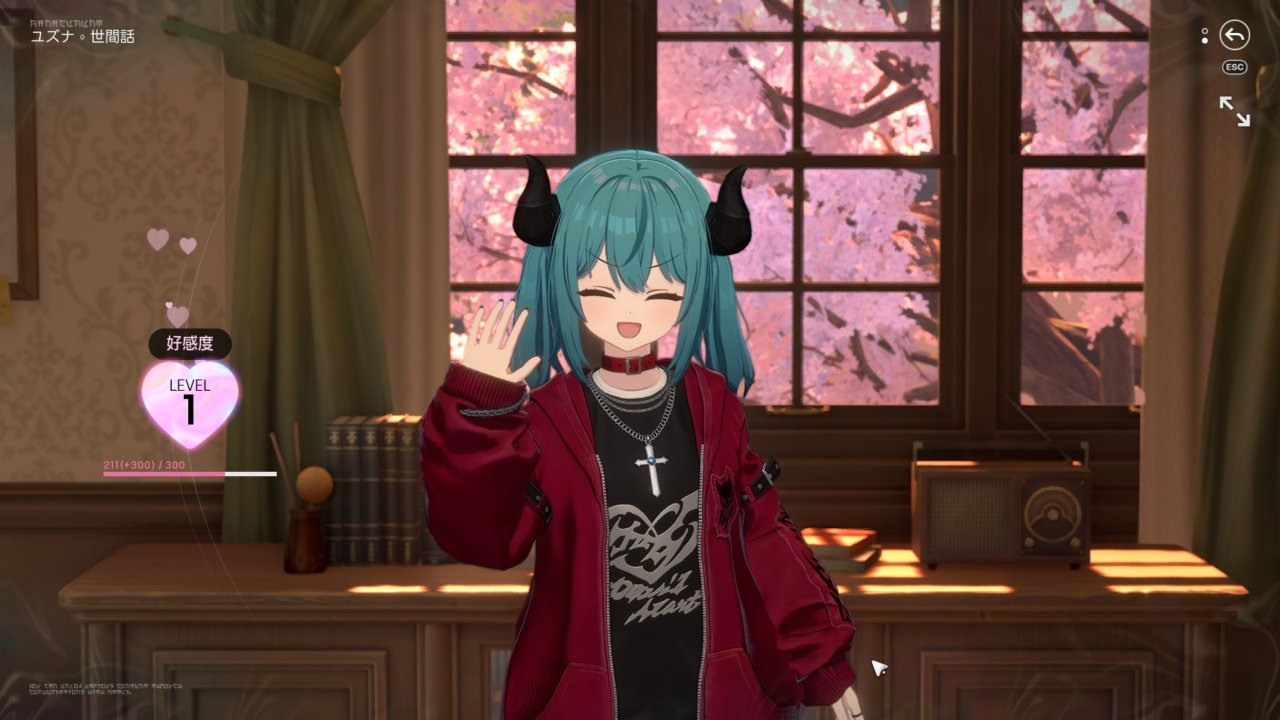
Expressive reactions emphasize slice-of-life storytelling.
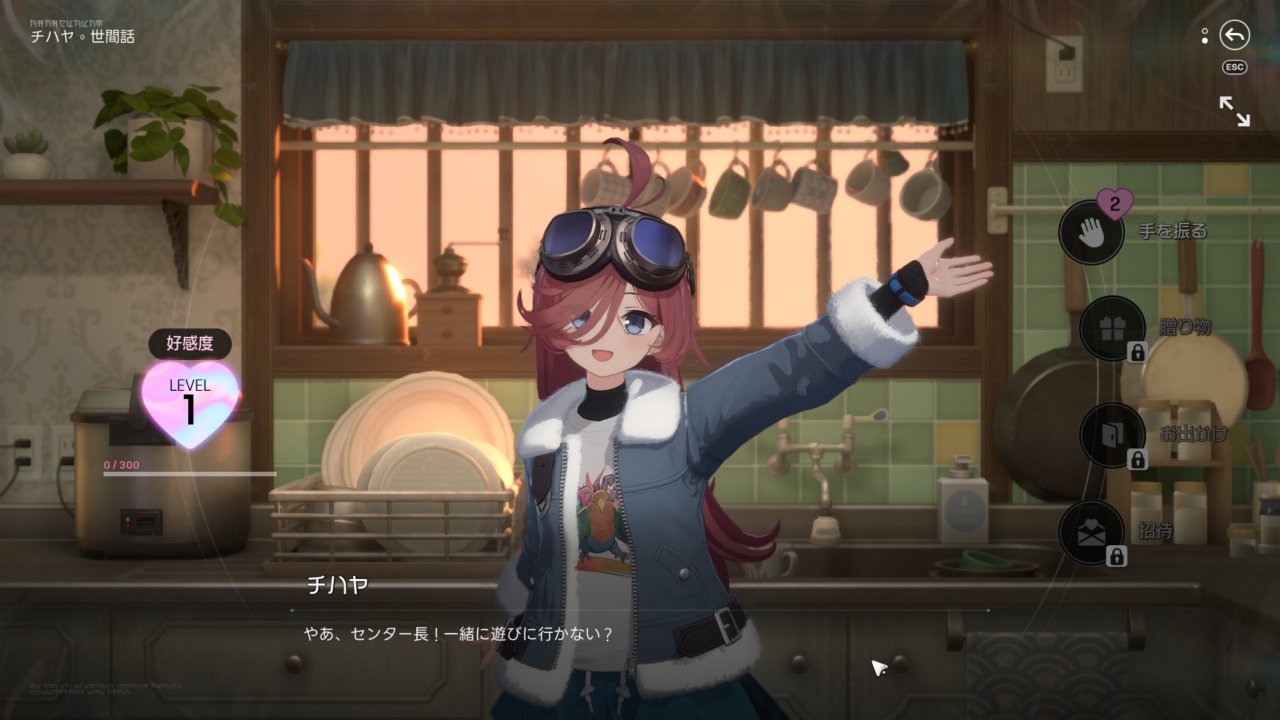
Varied character personality traits conveyed through movement.
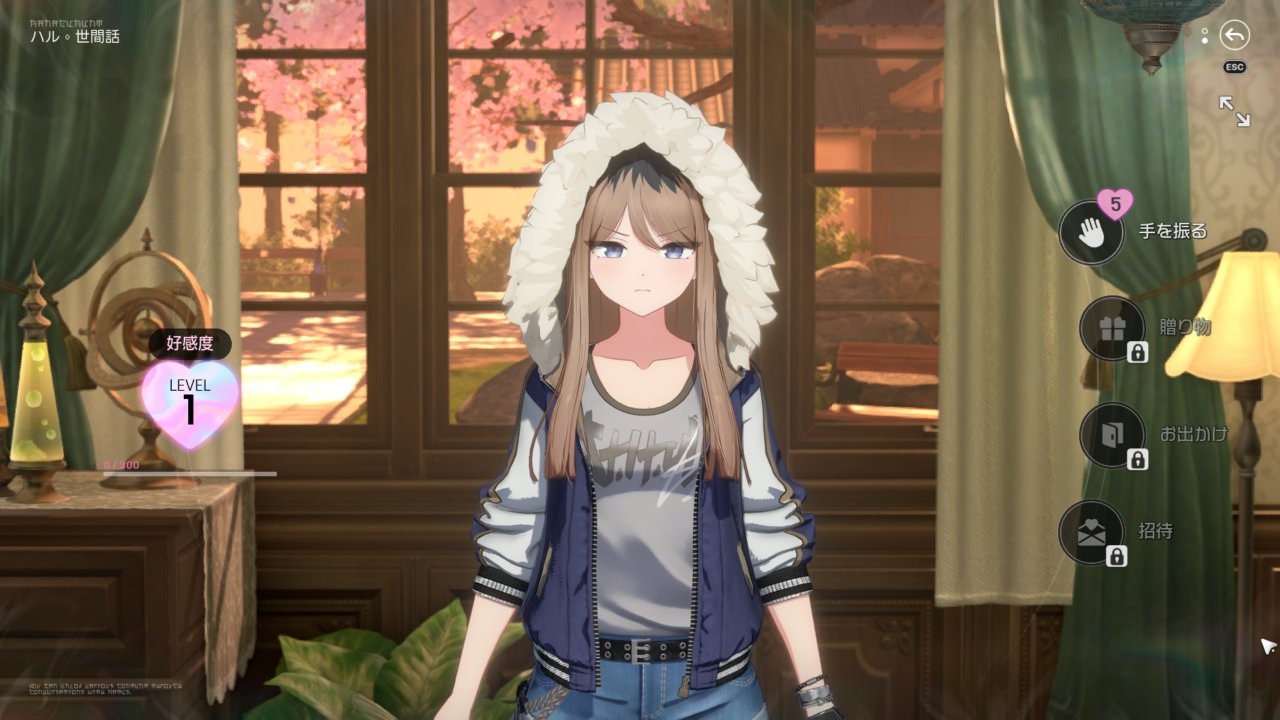
Nuanced character animations during personal conversations.
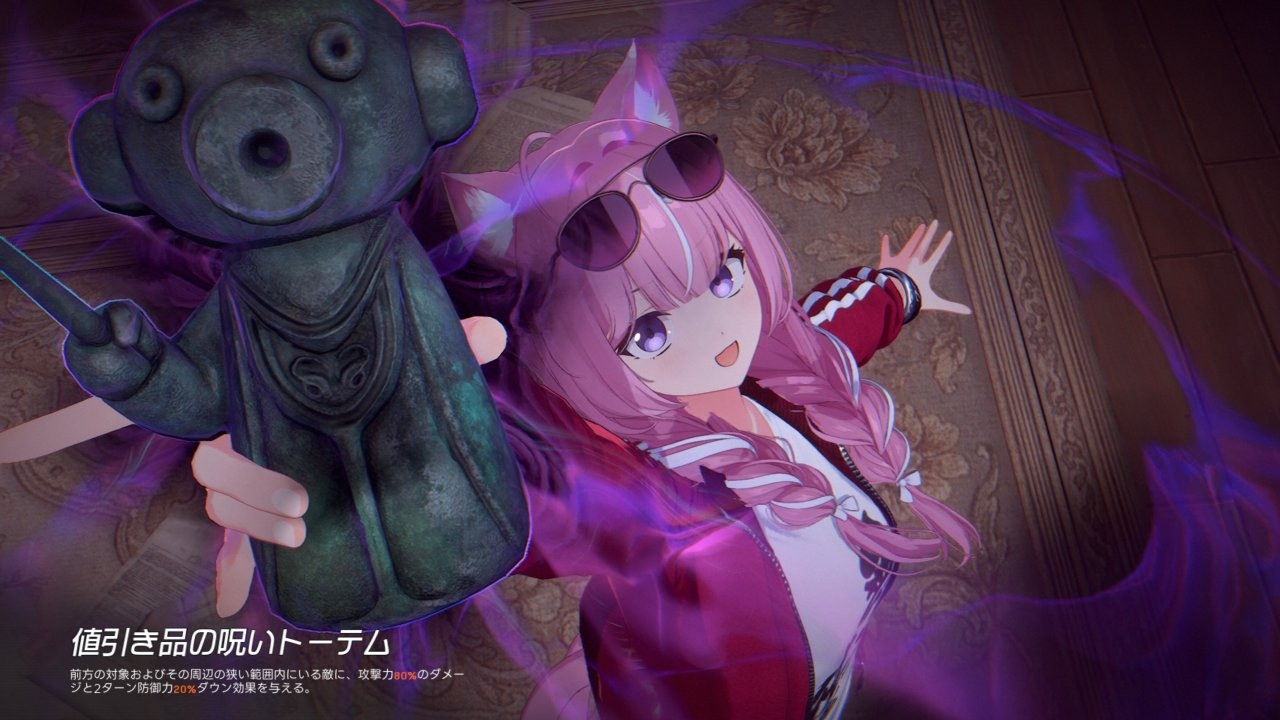
Casual living room downtime balances tactical dungeon combat.
Images
Comments (0)
No comments yet.